
Ask any parent what they want for their child and very few will say “just good marks.” They want a confident, kind, capable young person who can think for themselves and handle whatever life brings. That is exactly what holistic education is designed to nurture — and it is why it matters far more than any single report card.
What is holistic education?
Holistic education is an approach that develops the whole child — intellectually, physically, emotionally, socially and ethically — rather than focusing on academic results alone. Instead of treating a child as a brain to be filled with facts, it treats them as a complete person with a body, a heart and a character that all need to grow together.
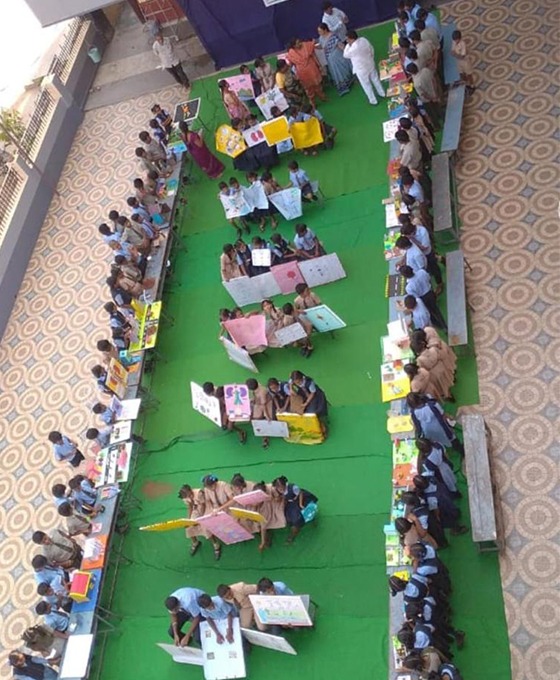
In practice, that means a school day where mathematics and science sit alongside sports, art, music, meditation, teamwork and lessons in honesty and responsibility — each reinforcing the others.
Why does holistic education matter more than marks?
Marks measure one thing at one moment. The skills that actually determine a child’s future — focus, resilience, communication, creativity, empathy and self-discipline — rarely show up on an exam. Holistic education builds these deliberately, so that strong academics are supported by an even stronger foundation of character.
A student who can score well and stay calm under pressure, work in a team, and treat others with respect is far better prepared for life than one who can only do the first.
The five pillars of holistic development
- Intellectual: curiosity, critical thinking and a genuine love of learning — not just memorisation.
- Physical: sports, play and yoga that build health, energy and coordination.
- Emotional: self-awareness, calm and confidence to handle setbacks and stress.
- Social: teamwork, communication and empathy developed through group activities and clubs.
- Ethical: honesty, discipline and a sense of responsibility toward others and society.
Why Yoga and Pranayama belong in school
One of the simplest, most powerful tools for holistic growth is also one of the oldest. Daily Yoga and Pranayama (breathing practice) help children improve concentration, manage stress, sleep better and build physical flexibility and strength. A few calm, focused minutes each morning can transform how a child shows up for the rest of the day.
At Sree Sree Educational Society, Yoga and Pranayama are a daily part of school life — a habit we believe pays dividends well beyond the classroom. You can read more about our approach on the Academics page.
How co-curricular activities complete the picture
Robotics and coding spark problem-solving. Chess sharpens strategy and patience. Karate builds discipline and self-confidence. Sports teach teamwork and resilience. Each co-curricular activity develops a different muscle — and together they shape a well-rounded, capable young person.
What parents can look for in a holistic school
- Is character and values education a timetabled part of the week?
- Do all children get to play sports and join activities — not just a few?
- Are mindfulness, yoga or quiet reflection built into the day?
- Do teachers know each child as a person, not just a roll number?
- Is success defined more broadly than exam ranks alone?
The Sree Sree approach
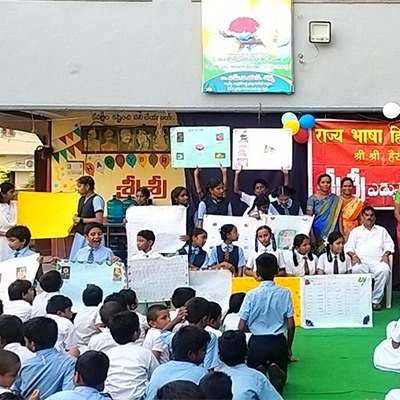
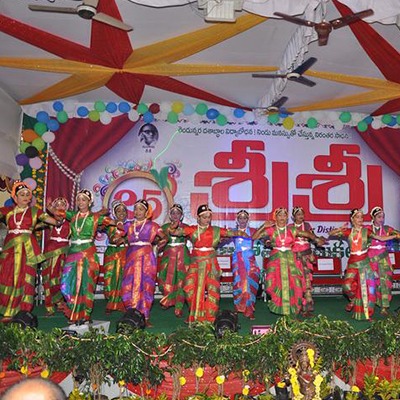
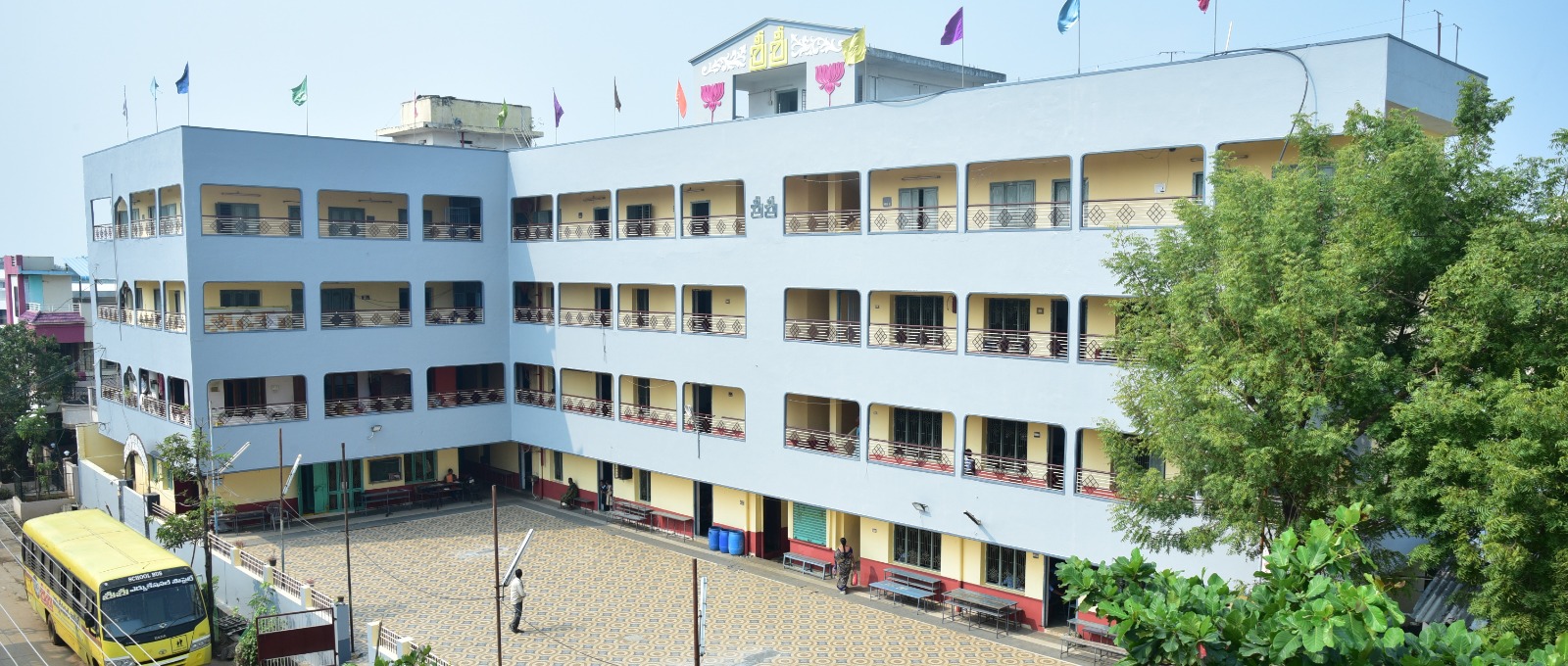
For more than three decades, Sree Sree Educational Society in Eluru has built its identity around exactly this balance: strong academics, daily yoga, sports, creative arts and a deep commitment to values. We believe the goal of education is not just to help a child pass — but to help a child flourish.
If that vision resonates with you, we’d love to show you how it works in practice. Get in touch or visit our campus to learn more.