
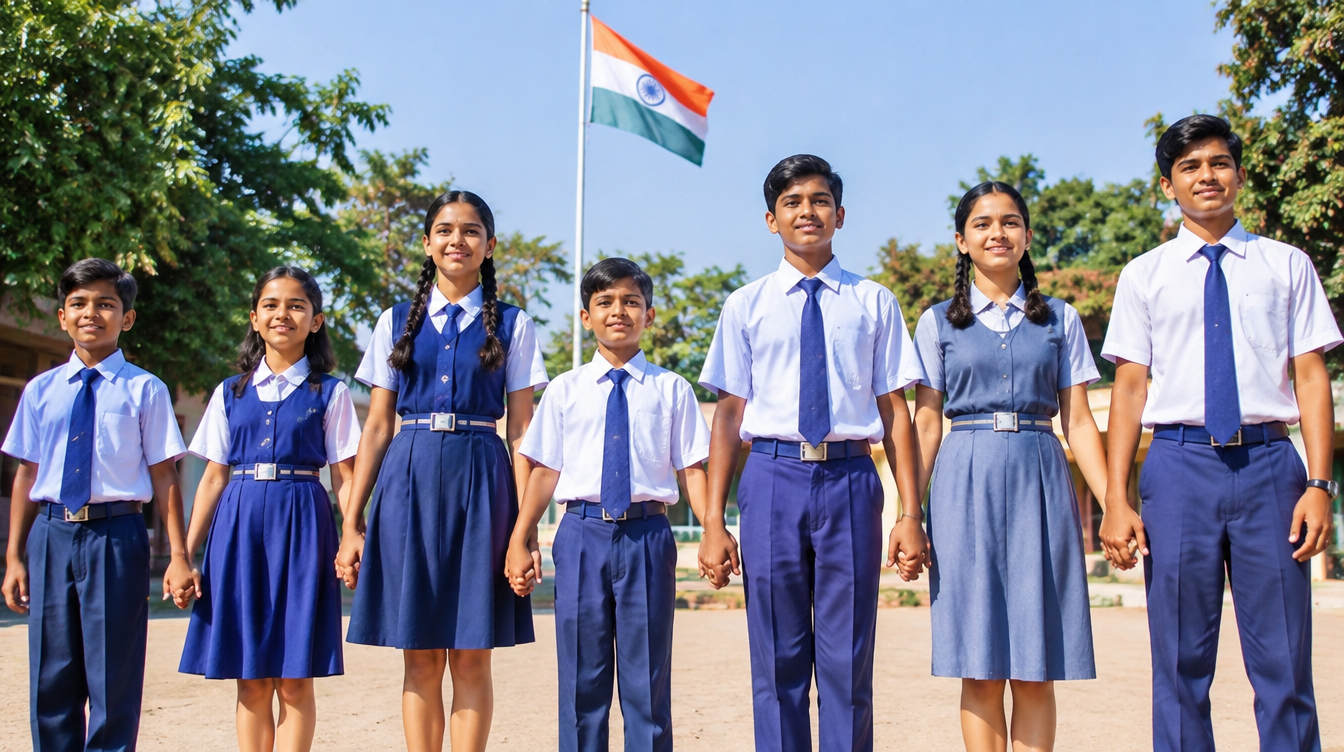
On 31 October, India marks National Unity Day, remembering Sardar Vallabhbhai Patel and his work in bringing hundreds of princely states together into one nation. For children it can sound like a distant history lesson. But the idea behind it is one of the most practical things we can teach them: how to live well with people who are not the same as us.
Unity starts in the classroom
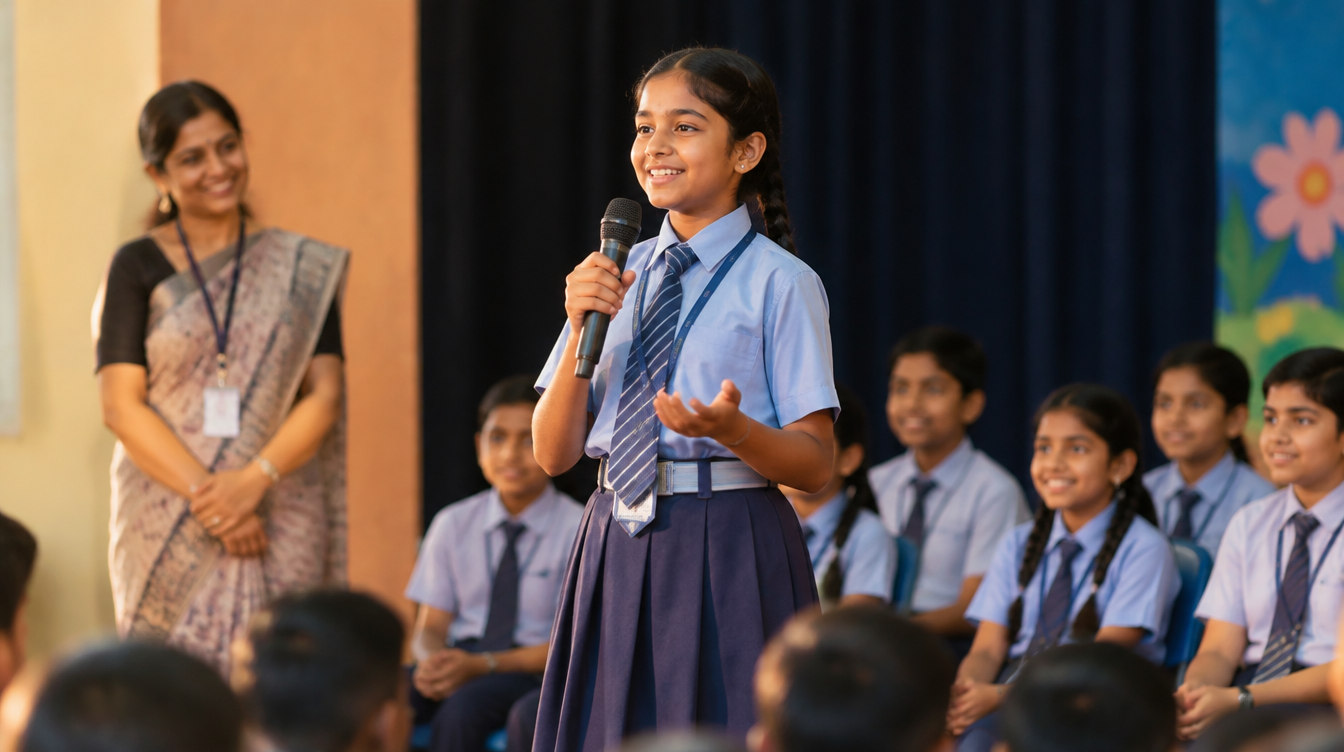
A class is a small India. Children come from different homes, speak different languages at home, eat different food, follow different customs. Unity isn’t a slogan on the wall; it’s the daily choice to share a bench, wait for a turn and stand up for a classmate.
Three ways to talk about it at home
- Tell the story simply. Explain that a country is like a big family — many members, one home. Ask your child what keeps their own family together.
- Notice differences kindly. A friend who fasts, wears a different dress or speaks another language is not “odd”. Ask your child what they could learn from that friend.
- Do something together. Cooking a dish from another state, learning a few words in a new language, or visiting a neighbour’s festival turns an idea into a memory.
Unity does not mean everyone being the same. It means everyone belonging.
Respect, then responsibility
Children who learn to respect others also learn that a shared space needs shared effort — keeping the classroom clean, helping a younger child, working in a team. These are small acts, but they are exactly what a united country is made of.
How we see it at SREE SREE
Occasions like Independence Day and National Unity Day are chances for children to feel part of something bigger than themselves, and our focus on ethics and character runs through the whole school year.
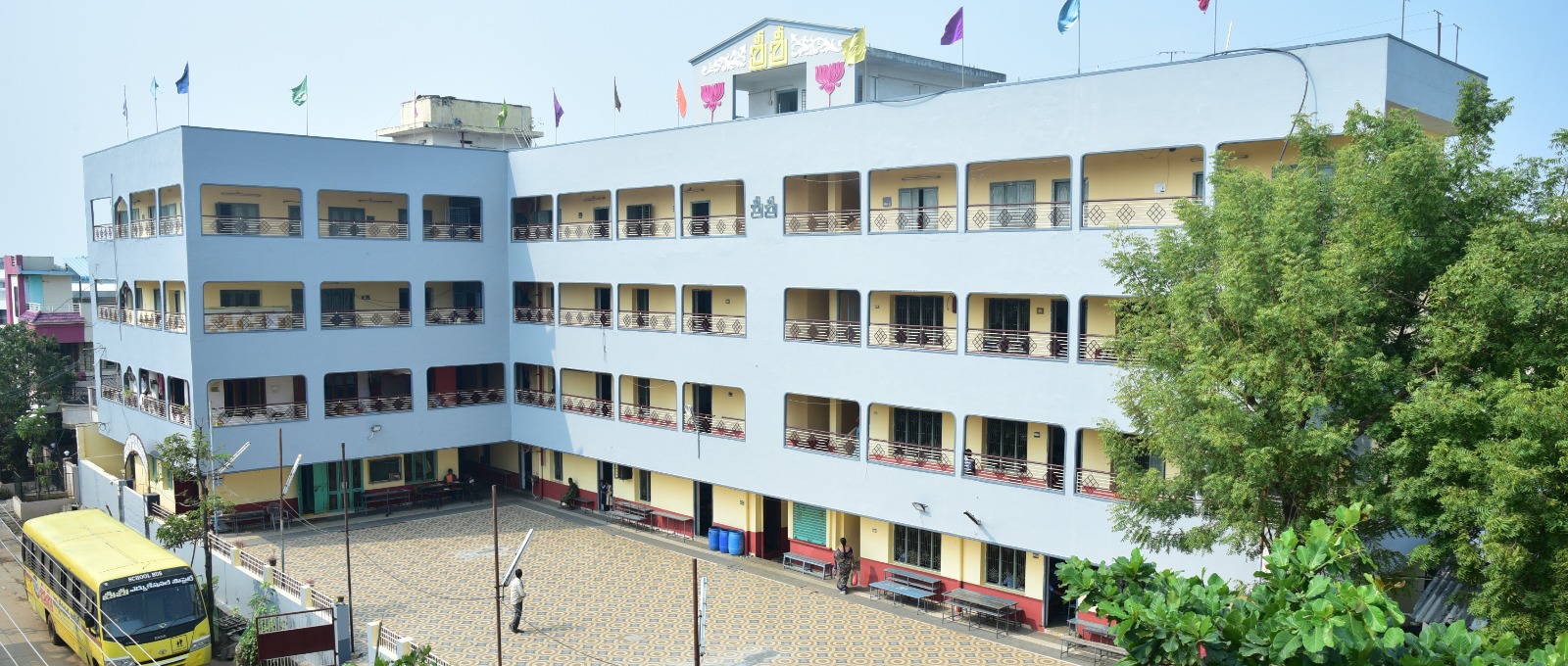
If you’re looking for a school where values are lived, not just taught, visit our campus in Eluru.