


You can tell the monsoon has properly arrived in Eluru without looking outside. You can hear it in the classrooms. By the third week of July, every room has its own small chorus of coughs, three or four empty desks, and at least one child sitting in damp socks pretending they’re fine.
Some of this is unavoidable — children and rain belong together. But a surprising amount of monsoon illness is preventable with about five minutes of effort a day. Here is what we’ve learned watching it happen for thirty-eight years.
The three things that actually make children ill in the rains
Not the rain itself, whatever your grandmother said. In our experience it comes down to three things, in this order:
- Staying wet. Not getting wet — staying wet. A child who gets drenched and changes is fine. A child who sits in a damp uniform from 9 AM to 3:30 PM in a fan-cooled room is the one who comes down with a fever by Thursday.
- Water and street food. The monsoon is when contaminated water finds its way into everything. Most of the stomach upsets we see trace back to a water bottle refilled somewhere unsafe, or a snack bought on the walk home.
- Standing water near home. Dengue and chikungunya don’t come from far away. They breed in the water sitting in your own flower pot, your neighbour’s discarded tyre, the tray under the fridge.
The five-minute morning checklist
We’d honestly rather send you this than another list of general advice. Before your child leaves in the morning during the rains:
- A spare set of clothes in the bag. This one item prevents more fevers than anything else on the list. A spare uniform, or at minimum a dry t-shirt and a second pair of socks and underwear.
- A second pair of socks, separately. Wet feet all day is how a cold becomes a week off school.
- Water from home, in a sealed bottle. Boiled and cooled, or filtered. Enough for the whole day so there’s no need to refill anywhere else.
- Food from home, nothing bought outside. The monsoon is not the season for the cart near the school gate. Our tiffin ideas post has options that travel well in humidity.
- A proper umbrella or raincoat, and shoes that dry. Canvas shoes stay wet for two days. During heavy weeks, sandals your child can dry are kinder than smart shoes that can’t.
What we do on campus
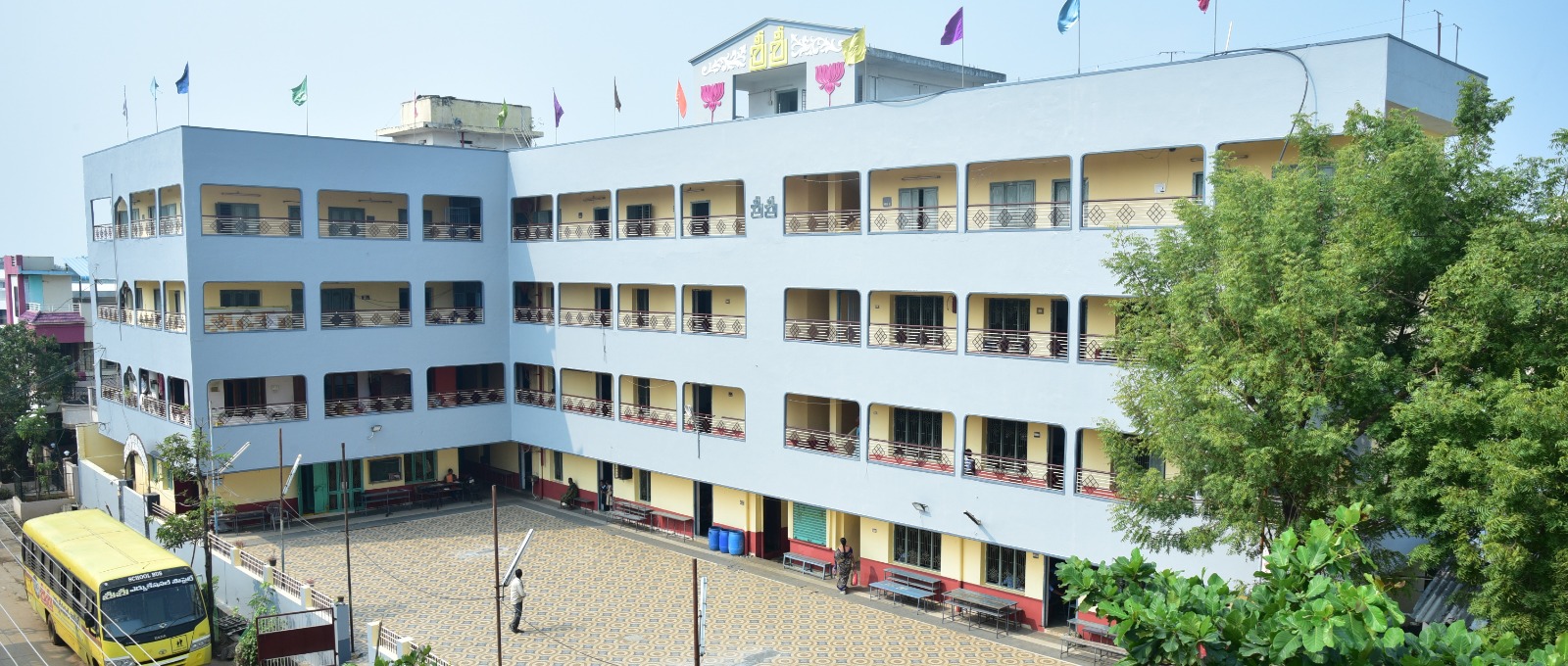
Parents ask, so it’s fair to say. During the monsoon we keep the corridors and stairs dry and mopped, because wet floors cause more injuries in July than the whole rest of the year. We check the campus for standing water — pots, drains, unused containers — because a single neglected corner is a mosquito nursery. Drinking water stays covered and clean. And teachers are told to send a visibly wet child to change rather than leave them shivering through the lesson.
Our daily yoga and pranayama session moves indoors when it rains, but it doesn’t stop. If anything, the breathing practice helps in a season when a lot of children are congested.
Food that helps, without the folklore
There is a great deal of monsoon food advice in circulation, much of it invented. The parts that are sensible are fairly simple:
- Eat hot, freshly cooked food. Humidity spoils food faster than usual. Anything sitting out for hours is a risk it isn’t in January.
- Wash leafy vegetables very well. Palakura, gongura and the rest hold more grit and contamination in the rains. Salt water soak, then rinse.
- Keep the immunity basics going. A boiled egg, dal, curd, seasonal fruit. Nothing exotic. Consistency beats superfoods.
- Turmeric milk at night is genuinely fine. Not a cure, but warm, mild and good for a sore throat. Grandmothers were right about this one.
- Skip cut fruit and juice sold outside. That is the single most common source of a monsoon stomach upset in a school-age child.
When to keep your child at home
We know it’s hard. Attendance matters, work is waiting, and the child insists they’re fine. But please keep your child home if:
- There is any fever at all — not “a slight temperature”, any fever
- There has been vomiting or loose motions in the last 24 hours
- They have red, watery, sticky eyes — conjunctivitis moves through a class in days
- The cough is constant and wet, not an occasional dry one
One day at home is one day. A child sent in with a fever infects a dozen classmates, and half of them will be absent next week instead. We would genuinely rather have your child recovered on Thursday than half-present on Tuesday.
No lesson we teach on a Tuesday is worth a week of your child’s health. We can catch up the chapter. We can’t give back the week.
The dengue question every Eluru parent should ask
Once a week during the monsoon, walk around your own home and empty anything holding water. Flower pot trays. The tray under the fridge. Buckets on the terrace. Old tyres. Coconut shells. Bird baths. The mosquito that carries dengue breeds in clean, still water, close to home, and it bites during the day — which is exactly when your child is out.
Full-sleeved clothing in the evening, mosquito nets or repellent at night, and that weekly five-minute walk around the house does more than any tonic.
And let them play in the rain sometimes
We’ll end against our own advice. A childhood without ever having run out into the first proper rain of the season is a poorer childhood. Let them. Then bring them in, dry their hair properly, give them something warm, and change their clothes.
That’s the whole trick, really. Not keeping children away from the rain — just not leaving them in it.
Curious how we look after children through the year on campus? Have a look at our facilities or come and visit us — even on a wet day.